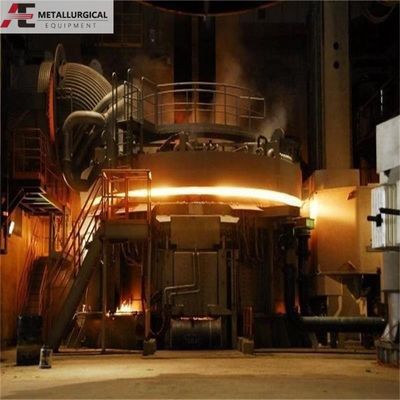
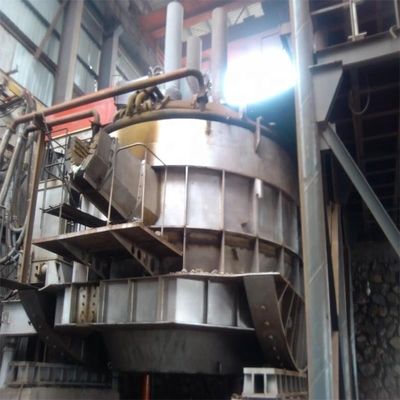
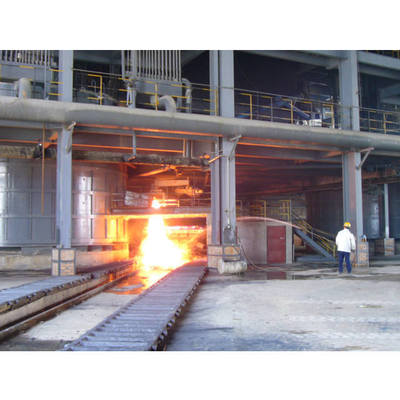
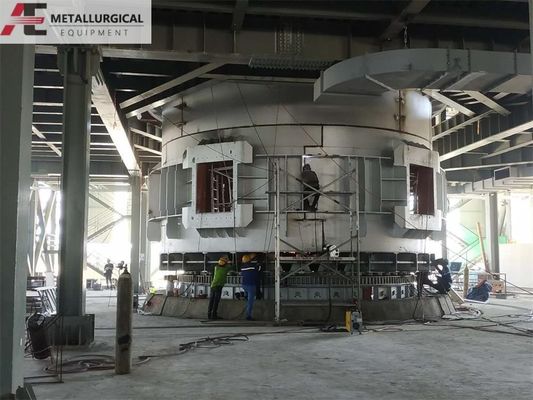
Análise das causas dos danos no corpo do forno de ferro liga
Causas e análise da falha do revestimento do forno
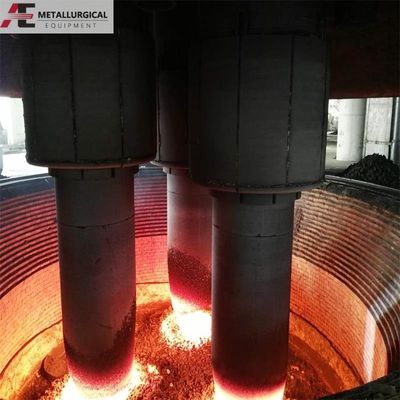
1• Duração de trabalho excessiva dos elétrodos: uma operação prolongada com uma extremidade de trabalho excessivamente longa dos elétrodos leva a um consumo significativo de materiais refratários de fundo.Isto resulta em aumento anormal da temperatura no fogão e pode, em última análise, causar queima através.
2- Duração de funcionamento insuficiente do elétrodo: por outro lado, uma operação prolongada com uma extremidade de trabalho curta do elétrodo desloca a zona de alta temperatura para cima.Isto provoca temperaturas anormalmente elevadas nas paredes do forno perto da zona do eléctrodo e pode levar a queima através e vazamento de metal / escória em torno da área do buraco da torneira.
3Características desfavoráveis da escória: um tipo de escória não razoável ou a falta de cumprimento dos requisitos de controlo da basicidade podem causar um sobreaquecimento grave do metal fundido.Isto acelera a corrosão química do revestimento do forno, danificando os materiais refratários.
4. Ciclo térmico de desligamentos/iniciados: Após desligamentos prolongados do forno, o corpo do forno é altamente suscetível a expansão e rachaduras.As operações de arranque-paragem freqüentes tornam óbvio o dano do ciclo térmico, manifestando-se frequentemente como rachaduras das chapas de aço do revestimento do forno devido a flutuações de temperatura, exigindo reparação atempada.
5. Operações de sopro de oxigénio e de abertura de furos: as práticas de sopro de oxigénio e de abertura mecânica de furos de torneira causam desgaste localizado significativo no furó e nas paredes circundantes do forno.Tanto os tijolos de carbono quanto os de magnesia podem sofrer reações de oxidação em condições de alta temperaturaA estrutura enfraquecida e alterada resultante (um "falso revestimento") não proporciona uma protecção adequada, acelerando consideravelmente a deterioração física do forno.
6. Fugas de água e humidade de alta carga: fugas de água do forno ou materiais de carga com umidade introduzem água no forno.o restante pode dissociar-se a altas temperaturas, gerando oxigénio que corrói a parede do forno.
7. Corrosão a temperaturas elevadas (por exemplo, temperatura de Taman): em áreas como o revestimento de trabalho de fornos ferrochromados de alto carbono,Os tijolos de magnesia em contacto com escórias são sujeitos a erosão química e impacto mecânico do metal quente e escóriasQuando as temperaturas atingem níveis críticos (por exemplo, a temperatura Taman), ocorrem alterações na composição e mineralogia dos tijolos.Começam os processos de difusão destrutiva.
Resumo dos mecanismos de prejuízo primário
Com base no que precede, os principais fatores prejudiciais podem ser categorizados em mecanismos físicos, químicos e mecânicos:
1Fusão/erosão: ocorre quando a temperatura de funcionamento do refratário excede o seu limite de refratariedade ou resistência a meios corrosivos.A fusão e a erosão severa são frequentemente observadas na parede do forno perto da zona de arco e do fundo do forno abaixo da ponta do eletrodoA análise dos dados do termocouple de fogão mostra tipicamente as temperaturas mais elevadas no fundo, imediatamente abaixo do elétrodo.Um extremo de trabalho de eletrodo excessivamente longo exacerba significativamente este aumento da temperatura inferior.
2. Ataque químico: refere-se às várias reações químicas entre materiais refratários e escória, metal fundido, atmosfera do forno, poeira e gases de escape.líquido-líquidoOs ataques químicos por metal fundido tornam-se particularmente graves quando a temperatura de funcionamento do refratário se aproxima ou excede o seu limite de funcionamento.
3- Acção mecânica/abrasão: no revestimento de trabalho,Os materiais refratários a temperaturas superiores ao seu ponto de amolecimento de carga tornam-se altamente vulneráveis ao desgaste mecânico e às perdas causadas pelo movimento e impacto do metal fundido e da escória.
4- Espalhamento e rachaduras: sob condições de choque térmico ou carga térmica desigual, a tensão térmica interna dentro do refratário pode exceder a sua resistência estrutural, levando a danos localizados,craqueamentoEste fenômeno é particularmente evidente na estrutura do forno após paradas prolongadas e subsequentes aquecimentos e pode também ser observado em corredores de torneira.
Somos um fabricante profissional de fornos elétricos.Fornos de arco submerso,Fornos de arco elétrico, fornos de refinação de concha, ou outros equipamentos de fusão, por favor, não hesite em contactar-nos emSusana@aeaxa.com


 Por favor verifique seu email!